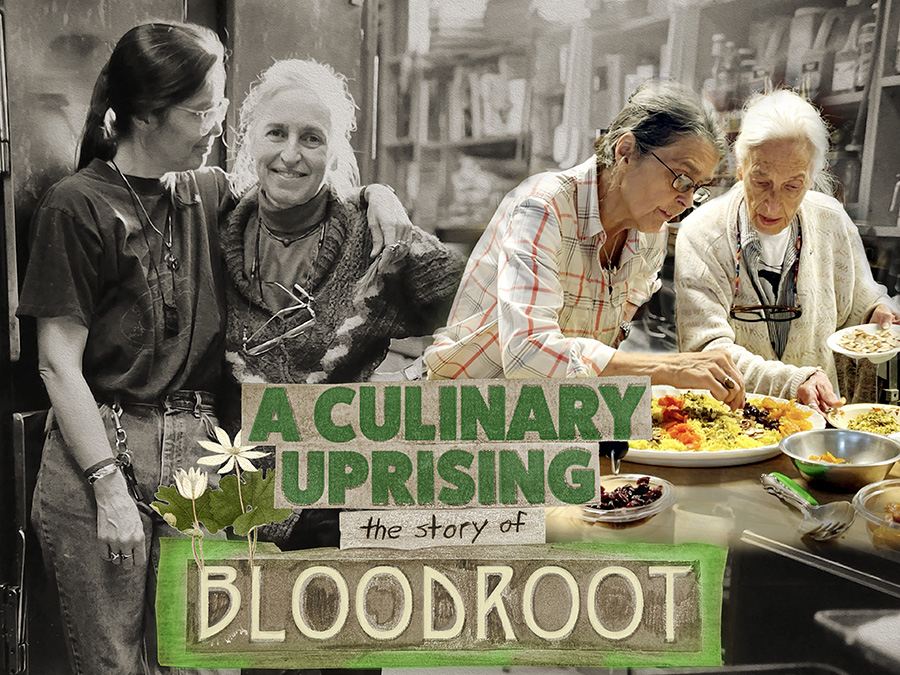
A CULINARY UPRISING: THE STORY OF BLOODROOT
Prima italiana
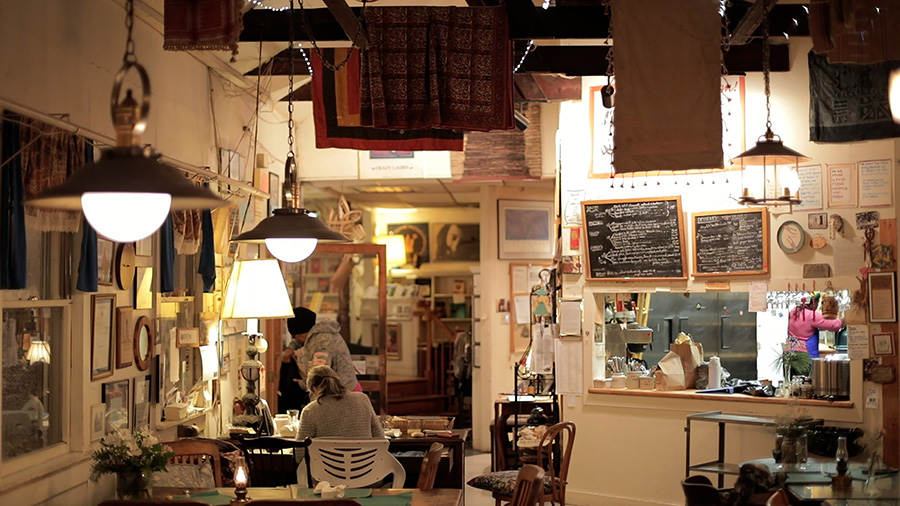
Negli anni Settanta e Ottanta, negli Stati Uniti e in Canada esistevano oltre 230 ristoranti, caffè e caffetterie femministe, che erano spazi di comunità, resistenza e trasformazione culturale. Il “Bloodroot”, ristorante vegano e libreria femminista situato a Bridgeport, nel Connecticut, è il locale più antico e longevo, rimasto attivo per oltre quarantasei anni grazie alle sue pionieristiche proprietarie, Selma Miriam e Noel Furie.
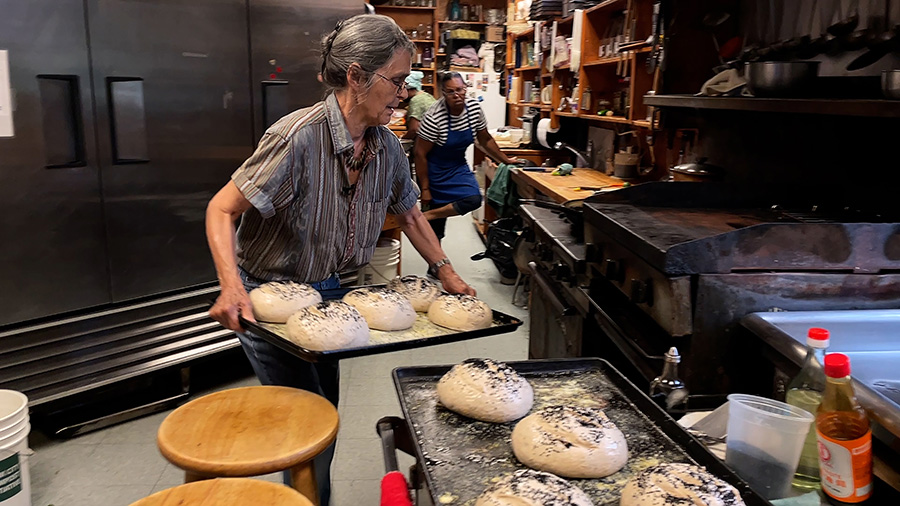
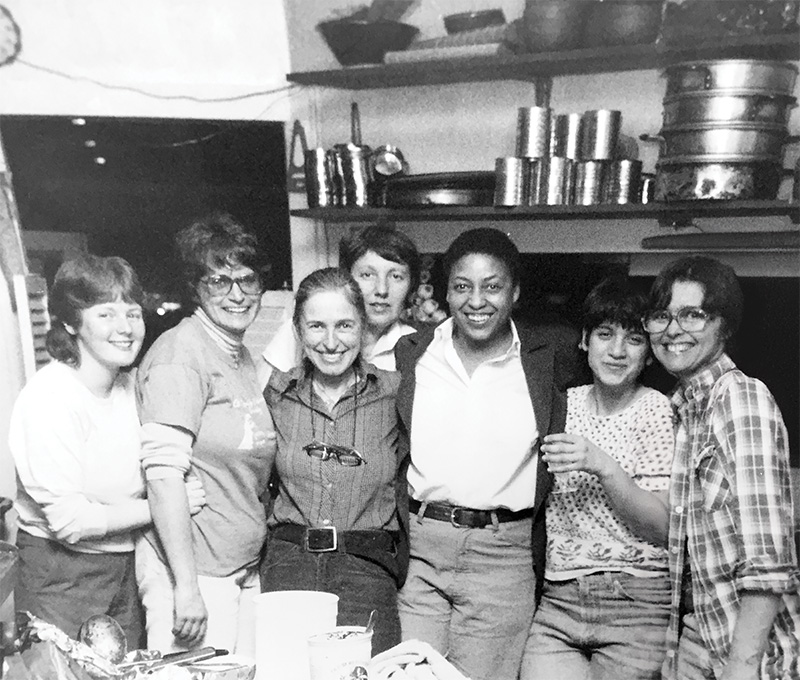
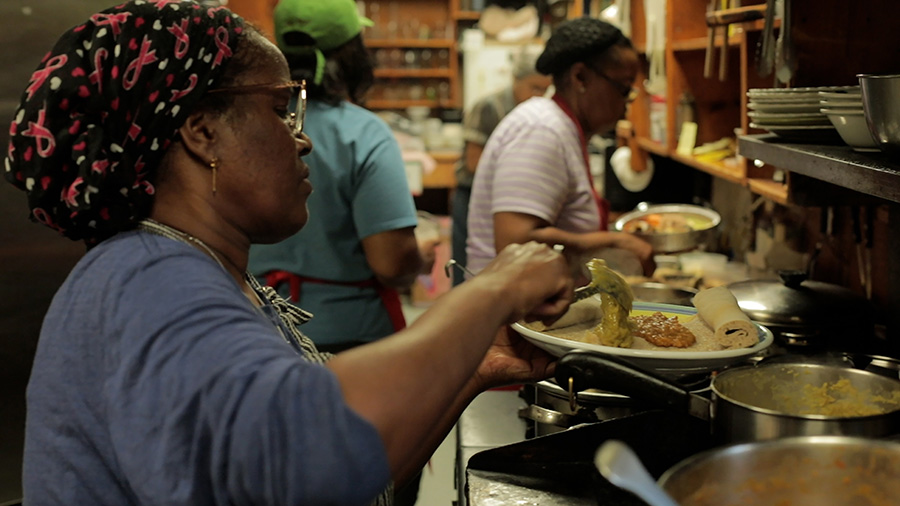
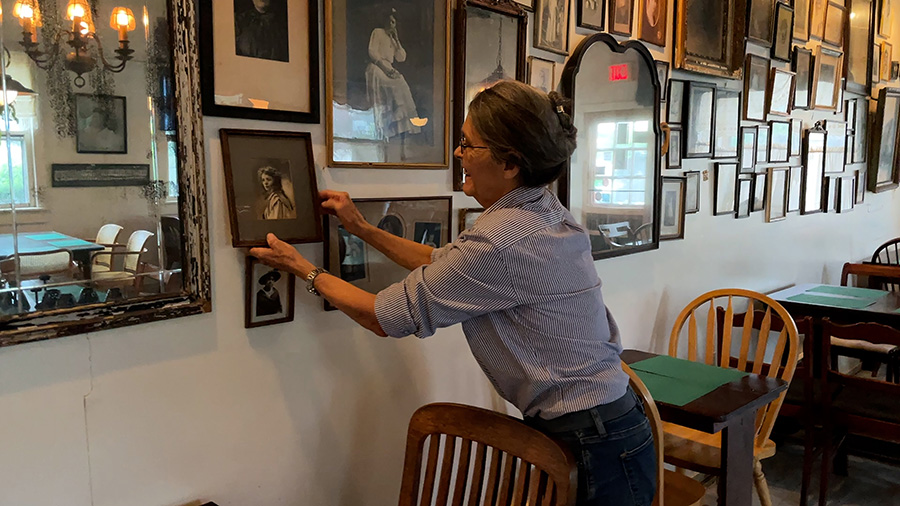
Seguendo Selma e Noel insieme allo staff e alla clientela, il documentario rivela perché il “Bloodroot” sia stato molto più di un semplice ristorante, esplorandone la storia, il ruolo nel panorama del pensiero femminista americano e l’impatto profondo che ha avuto sulla comunità locale. Il “Bloodroot” è diventato rifugio, punto di riferimento e casa per generazioni di attiviste, e al contempo atto politico quotidiano, esperimento di vita collettiva, laboratorio di idee.
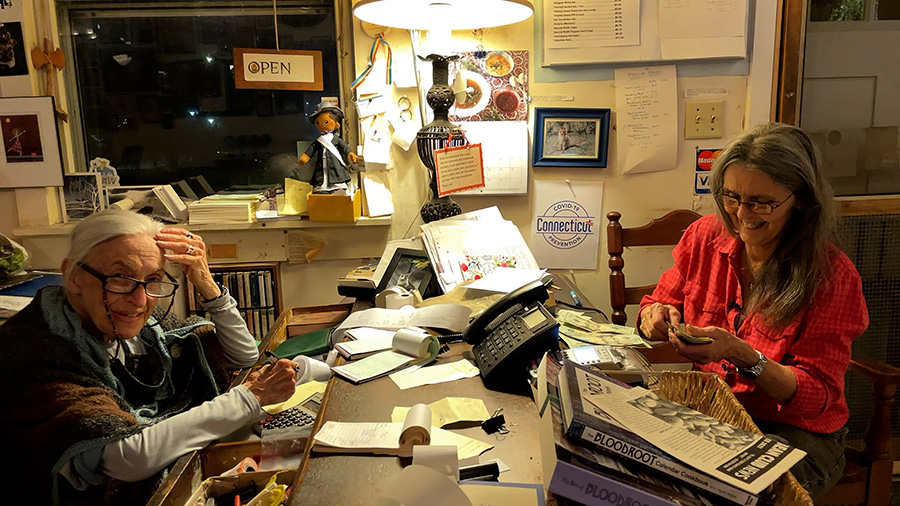
La regista entra in modo intimo nella collaborazione professionale tra Selma e Noel, e racconta come le due fondatrici abbiano affrontato il sessismo, l’omofobia e la realtà dell’invecchiamento. Nonostante le difficoltà economiche, il “Bloodroot” ha continuato a essere uno spazio amato da generazioni di femministe e di lesbiche che hanno trovato in quel luogo non solo cibo, ma appartenenza, memoria e futuro.
In the 1970s and 1980s, more than 230 feminist restaurants, cafés, and coffeehouses existed across the United States and Canada—spaces of community, resistance, and cultural transformation. Bloodroot, a vegan restaurant and feminist bookstore located in Bridgeport, is the oldest and longest-running of them all, having remained open for over forty-six years thanks to its pioneering owners, Selma Miriam and Noel Furie.
Following Selma and Noel along with the staff and customers, the documentary reveals why Bloodroot has been far more than just a restaurant, exploring its history, its role in the landscape of American feminist thought, and the profound impact it has had on the local community. Bloodroot became a refuge, a point of reference, and a home for generations of activists, while also functioning as a daily political act, an experiment in collective living, and a laboratory of ideas.
The director offers an intimate look into the professional partnership between Selma and Noel and recounts how the two founders confronted sexism, homophobia, and the realities of aging. Despite economic hardships, Bloodroot has continued to be a beloved space for generations of feminists and lesbians who found there not only food, but also belonging, memory, and a sense of the future.